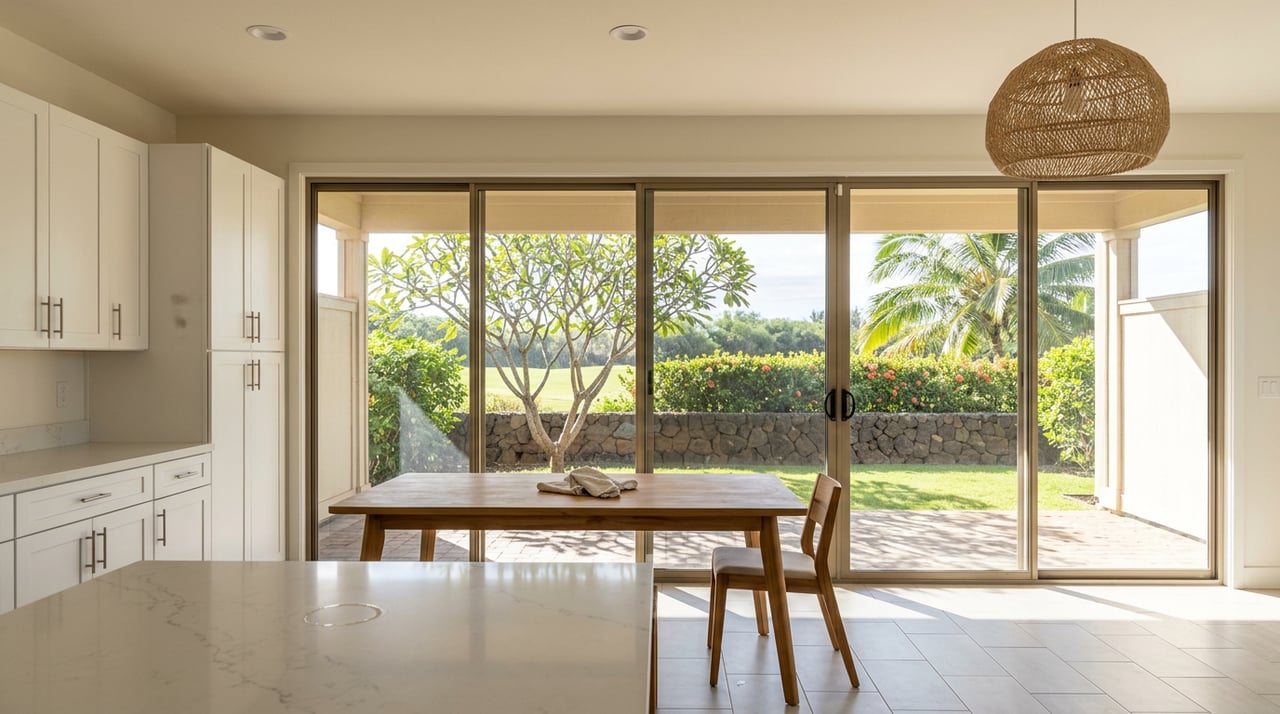
The Waikoloa Beach Resort HOA Fee Everyone Compares Is the Wrong Number
August 13, 2026
August 13, 2026
Two ground-floor two-bedroom condos in Waikoloa Beach Resort, both a similar walk to Anaeho'omalu Bay, both a similar golf-cart ride from Queens' MarketPlace. One lists HOA dues under $900 a month. The other lists dues north of $3,200. The difference can reflect distinct amenities, services, and budgets, so the monthly dues figure is useful context but not a complete basis for comparing the units.
I've sat across the escrow table with enough Waikoloa buyers to know that comparing these fees can be challenging if you haven't bought resort property before. Here's how to assess what the number covers and which documents to review as you compare communities.
Buyers searching "Waikoloa Beach Resort HOA fees" often assume there's a single association setting one rate across the resort. There isn't. The resort is a collection of separate condominium and villa associations, each with its own board, budget, reserve fund, and amenity package. Kōlea, Hali'i Kai, Vista Waikoloa, Waikoloa Colony Villas, and Fairway Villas are governed independently of one another.
That distinction matters because the published dues you see on a listing describe one community's math, not the resort's. Comparing a Kōlea fee to a Vista Waikoloa fee is closer to comparing two different buildings in two different cities than comparing two units in the same complex.
Here's what public listing data showed across a handful of Waikoloa Beach Resort communities in 2026:
| Community | Reported monthly dues | What the dues typically fund |
|---|---|---|
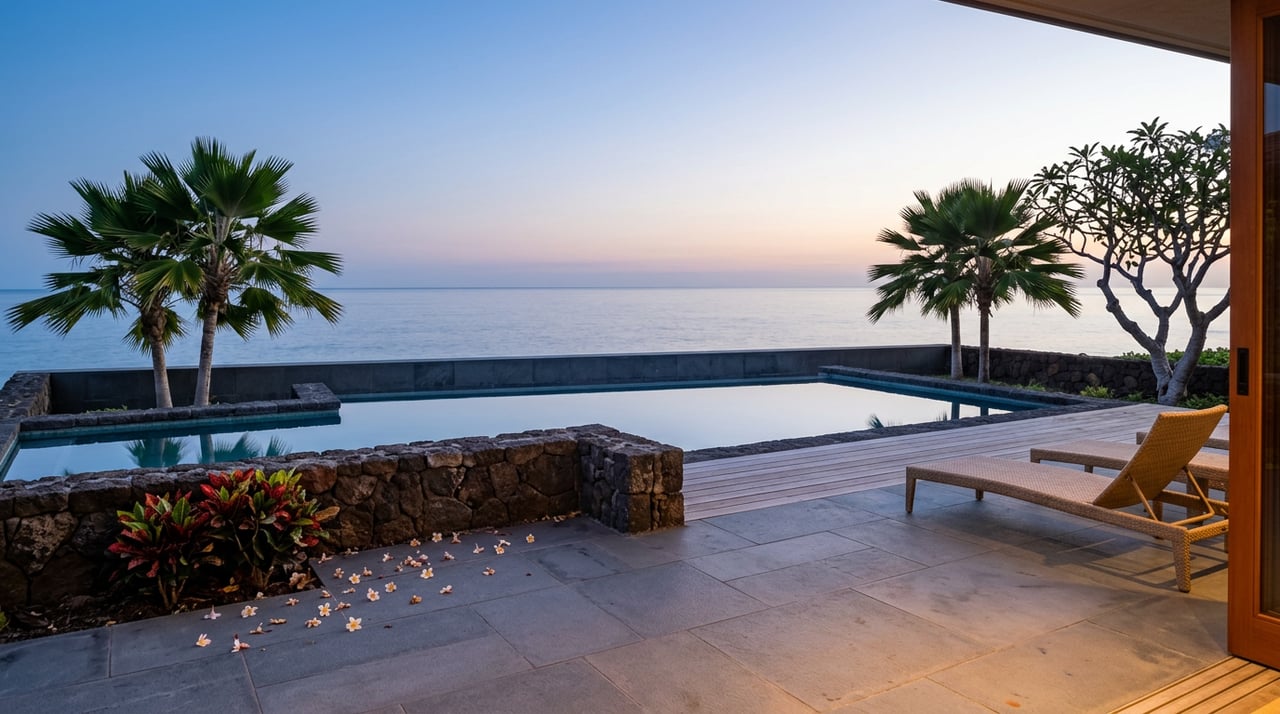
| Kōlea | $2,205–$3,200 | The resort's only beachfront condo community, with the Kōlea Beach Club, direct A-Bay access, an infinity-edge pool, a sand-bottom children's pool, a lava-rock hot tub, and an oceanfront fitness hale |
| Vista Waikoloa | $992–$1,645 | A heated salt-water lap pool, two spas, a grilling pavilion, a fitness room, and a business center, with water, sewer, trash, cable, and an on-site manager included |
| Hali'i Kai | $864–$1,447 | Oceanfront villa living, though a separate daily fee applies for Ocean Club access, described below |
Waikoloa Colony Villas and Fairway Villas don't have a single published range worth quoting here, but their dues cover a similar mix: water, sewer, basic cable, trash, pest control, landscaping, and shared amenities like Colony Villas' two lagoon-style pools, keiki pool, air-conditioned fitness rooms, and tennis and pickleball courts.
The instinct to treat the lowest dues as the best deal ignores what condo fees are actually for. In Hawaii, monthly maintenance fees fund two things: today's operating costs and tomorrow's reserve fund. The reserve is the account that pays for a new roof, repainting the building, or replacing pool equipment without asking every owner to write a surprise check.
Keeping fees artificially low for years is a known way associations get into trouble, because it starves the reserve fund while operating costs stay level. When the big-ticket item finally comes due, the association levies a special assessment, and buyers who purchased on the strength of a "cheap" HOA fee end up paying for it anyway, just later and all at once.
This is why the dues figure is a proxy, not a price tag. Before you weigh $900 against $1,600, ask for the reserve study, the current operating budget, and two years of audited financials. A community with strong reserves and a fee in the middle of the range is often a safer purchase than one with the lowest fee on the block and a thin reserve account.
Here's the part that matters more than any dues figure, especially if you're weighing rental income into your decision.
Waikoloa Beach Resort sits in a resort zoning designation. Resort zoning is relevant, but it is only one part of determining whether a particular unit can be rented short-term.
That distinction matters. County zoning tells you what the government allows. It does not tell you what your building's association allows, and those two answers can conflict.
Verifying this properly means checking three separate documents that can each say something slightly different: the county zoning map, the community's recorded Declaration of Restrictions, and the specific AOAO's current rules. A listing description that says "STR permitted" is a starting point, not a confirmation. Get it in writing from the association or its on-site manager before you count on that income in your budget.
If you do rent short-term, factor in Hawaii's transient accommodations tax and general excise tax on top of your HOA math. Combined, these taxes represent a meaningful bite before management fees or maintenance come out, which is worth modeling before you compare net yield across communities with different dues structures.
Hali'i Kai owners face a wrinkle worth flagging on its own. In addition to monthly AOAO dues, a separate daily resort-style fee applies for access to the Ocean Club, parking, or gate access, and it isn't folded into the published HOA number. One property manager's current guest FAQ lists this fee at $25 plus tax per day for arrivals on or after April 1, 2023. A separate 2026 rental policy page describes the same $25-per-day rate but adds a $500 maximum per stay. The two public sources don't fully agree on whether that cap applies, which is exactly the kind of detail you want confirmed in writing during due diligence rather than assumed from a listing sheet.
You'll also want a homeowner's HO-6 policy quote before closing. The AOAO's master policy covers the building's common elements, but your unit's interior, contents, liability, and any loss-assessment exposure are yours to insure separately.
The dues figure on a Waikoloa Beach Resort listing tells you what one association happens to be charging this year. It doesn't tell you whether the reserve fund can cover next year's roof, and it doesn't tell you whether your unit can legally do what you're planning to do with it. Those answers live in the CC&Rs, the reserve study, and a written confirmation from the board, not in the MLS remarks.
If you're comparing communities across Waikoloa Beach Resort and want a second set of eyes on the paperwork before you write an offer, I'd be glad to help you read it the way I've learned to over more than a decade in Hawaii title and escrow work.
Denni Keyes — Let's Connect.
Does a lower HOA fee mean a better deal at Waikoloa Beach Resort? Not on its own. A lower fee can reflect leaner amenities, or it can reflect an underfunded reserve that leads to a special assessment down the road. Ask for the reserve study before you compare numbers across communities.
If county zoning allows short-term rental, can I count on that income before I close? Not automatically. County zoning and your specific association's declaration are separate documents, and they can disagree. Get written confirmation from the AOAO before you build a rental income projection.
This article is general information, not legal, tax or financial advice. Consult a qualified professional about your situation.
Stay up to date on the latest real estate trends.


I'm not just a real estate agent — I'm a neighbor, a parent, and a proud member of this island community. My commitment to communication, integrity, and purpose means you'll always have a trusted partner by your side throughout your real estate journey.

69-201 Waikoloa Beach Dr Ste 505 Waikoloa, HI 96738